


02 Jan Wow… ok… so THAT was 2025. But there is HOPE on the horizon for 2026.
Five Things Happening Right Now That Make the Future Feel Possible Again
Hope has had a rough decade. It’s been crowded out by notifications, flattened by bad news cycles, and treated with suspicion by people who’ve learned that optimism can age poorly. Still, every so often, the world does something quietly impressive. Not loudly enough to trend for long, but clearly enough to notice if you’re paying attention.
Here are five developments in 2026 that suggest the future is not only intact, but actively being worked on.
1. The Energy Transition Has Slipped Past the Point of Debate
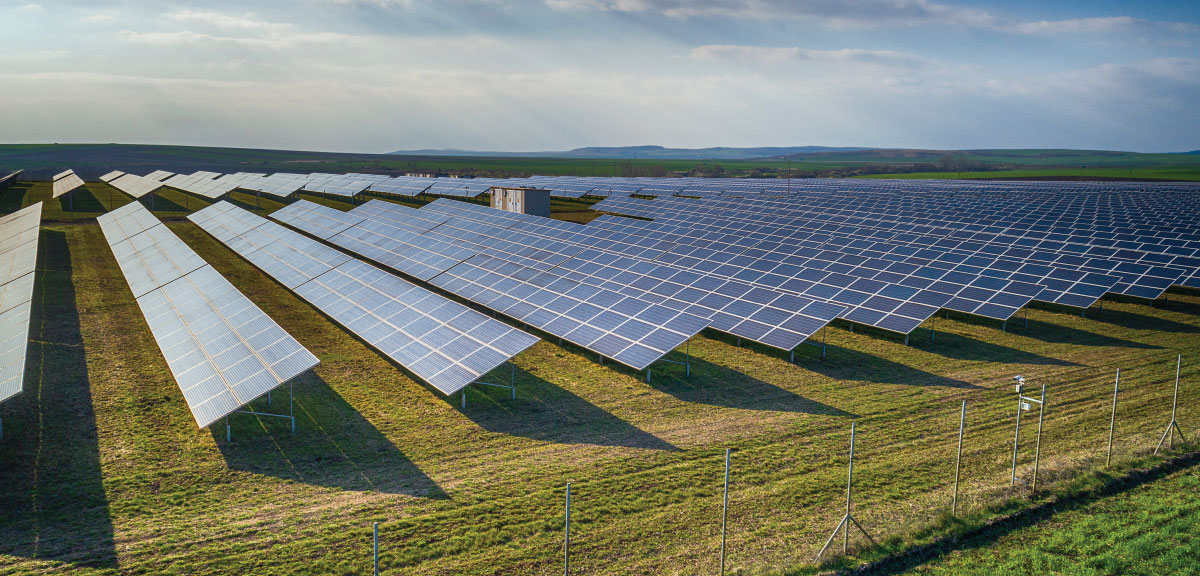
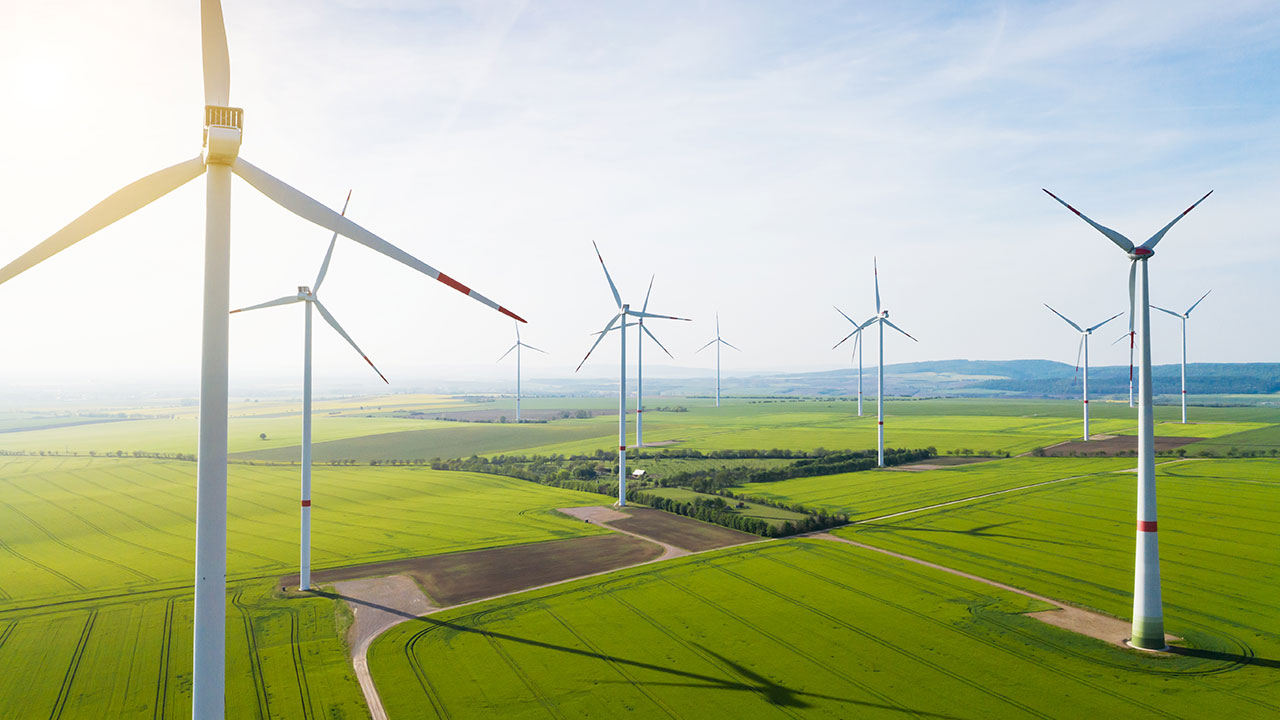
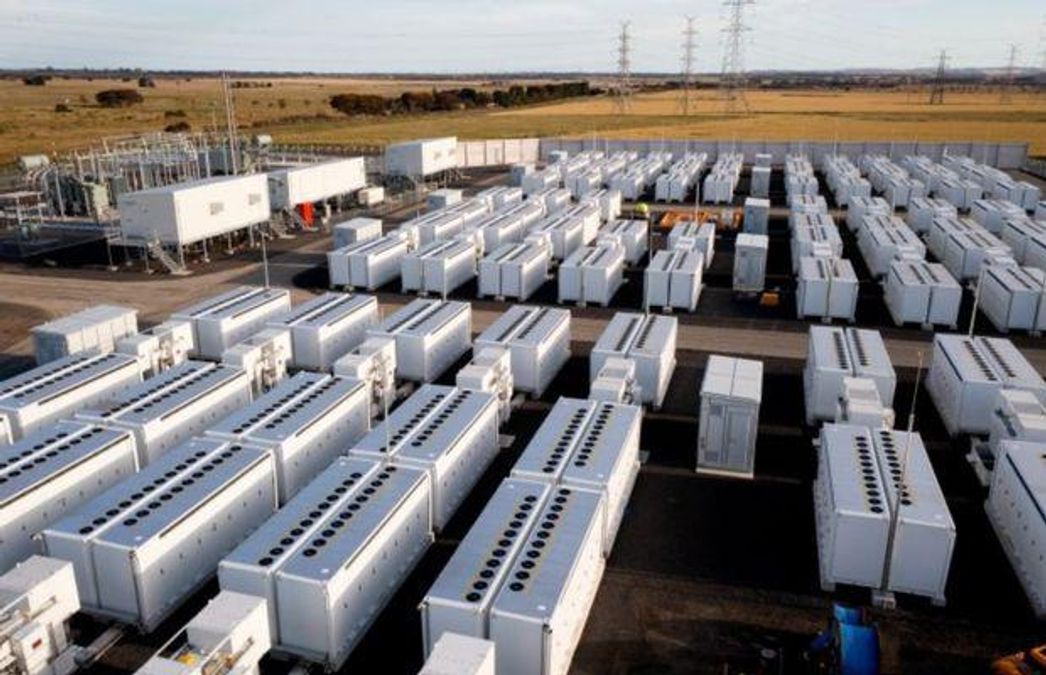
Something subtle has happened in energy over the last few years. The arguments have mostly stopped. Renewable power is no longer framed as aspirational or virtuous. It’s practical. In many parts of the world, it’s simply the cheapest and fastest way to keep the lights on.
Solar fields stretch across places that once hosted little more than dust and transmission lines. Wind farms have become landmarks. Battery storage, once the missing piece, is now quietly doing the unglamorous work of stabilizing grids.
The significance isn’t ideological. It’s economic. Once systems flip because they make sense, they tend to stay flipped.
2. Medicine Is Getting Faster, Quieter, and More Humane
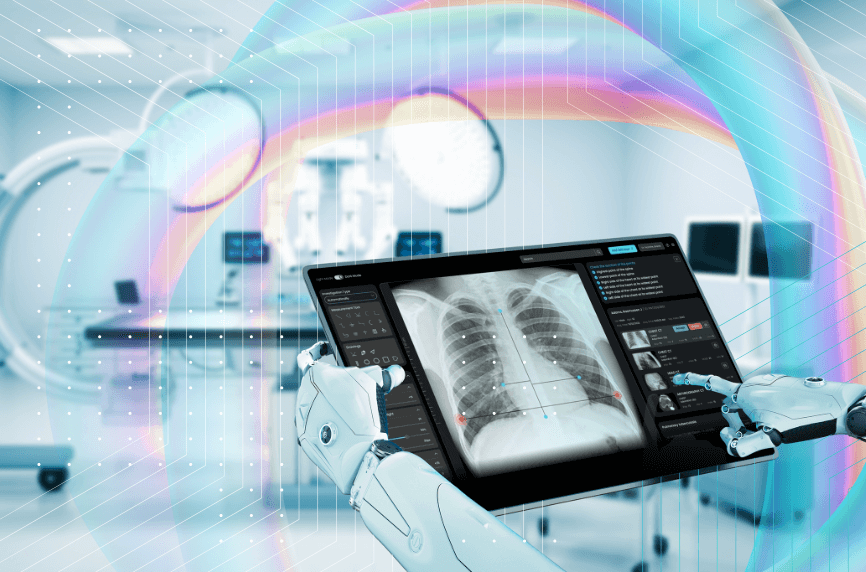

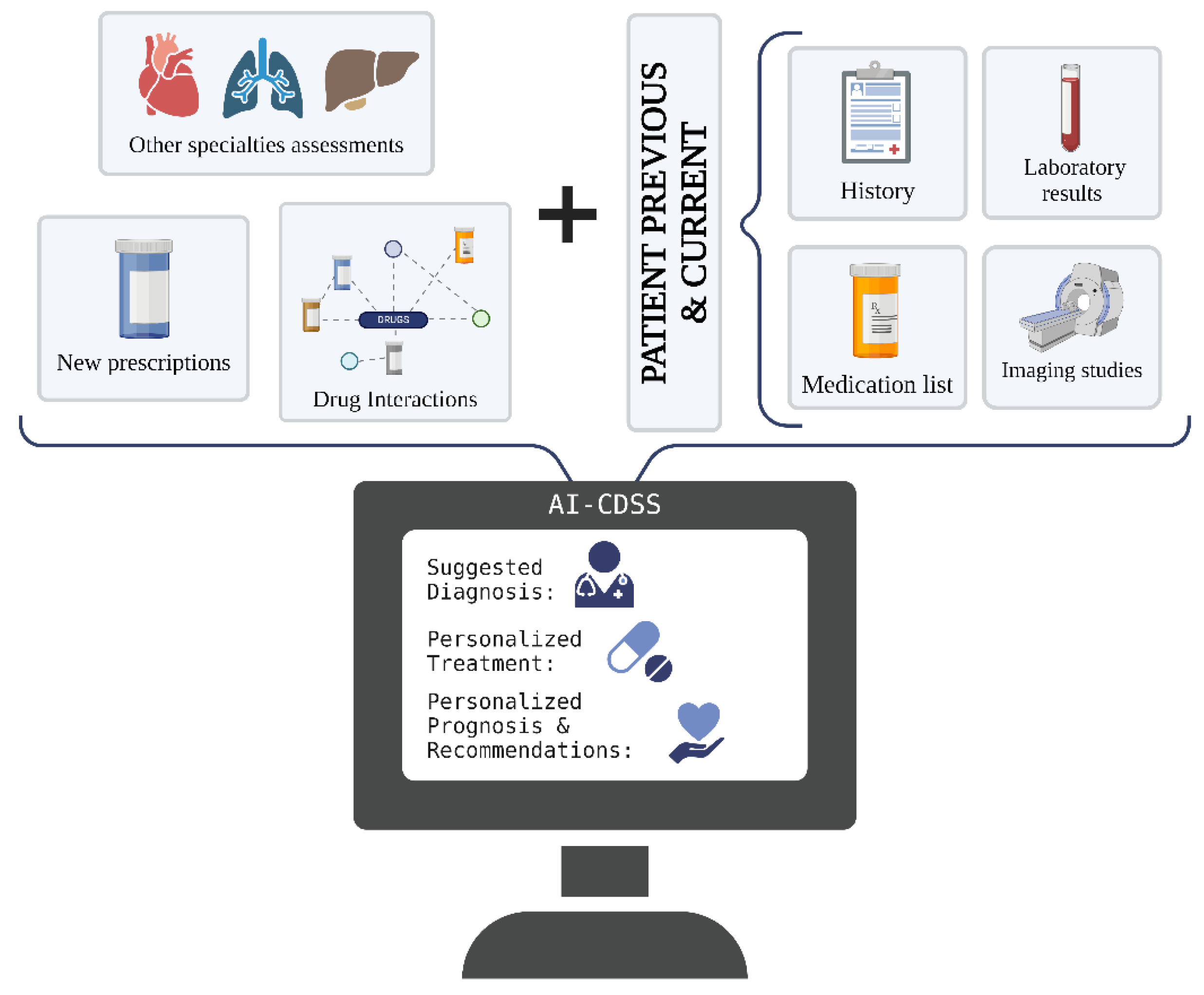
In hospitals and clinics, artificial intelligence has stopped being a headline and started being a colleague. Tools developed by organizations like Google DeepMind and Microsoft now assist with scans, pattern recognition, and early detection in ways that save time and reduce mistakes.
What’s changed is not the ambition of the technology, but its placement. It works in the background. Doctors spend less time hunting for information and more time talking to patients. Diagnoses arrive sooner. Outcomes improve incrementally, which is how progress usually shows up in medicine.
No miracle cures. Just fewer missed chances.
3. Work Has Become Less Theatrical and More Negotiable

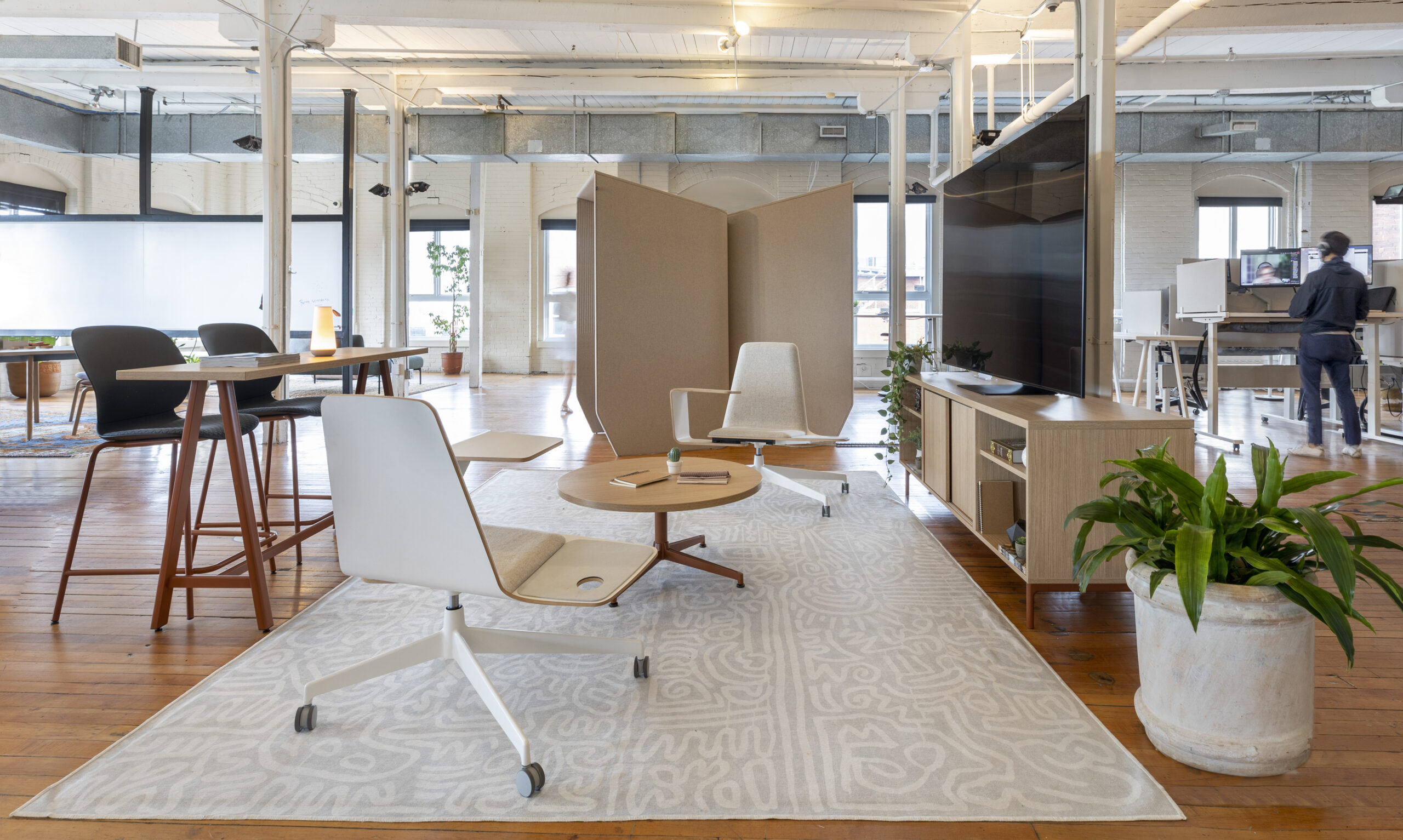
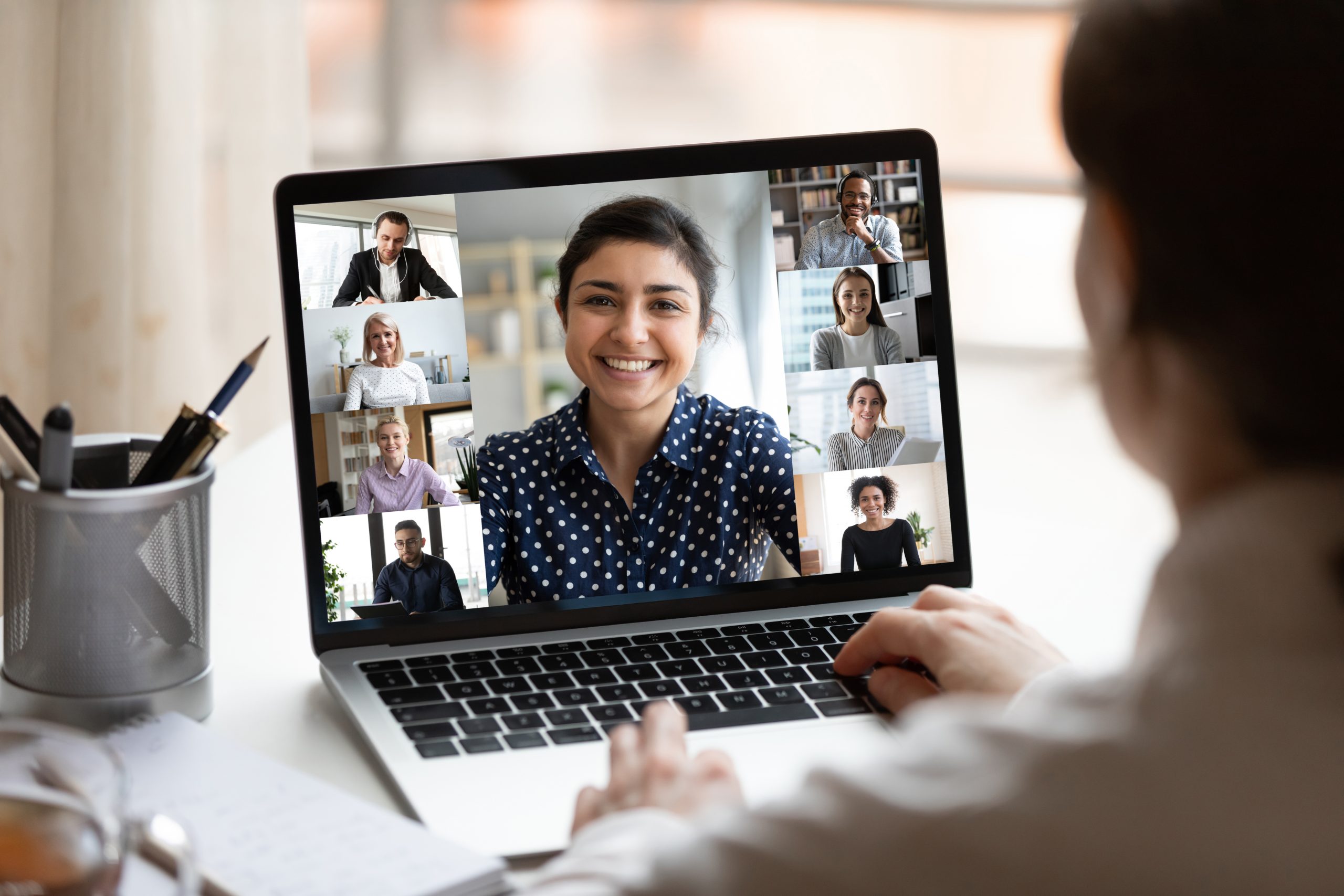
The great workplace reckoning didn’t end with a single policy memo. In 2026, it looks like something steadier and more durable. Workers have options, and employers know it.
Remote and hybrid work are no longer framed as perks. They’re infrastructure. At the same time, reskilling has become a normal part of adult life, supported by platforms like Coursera and LinkedIn.
The shift has changed the tone of work. Less chest-beating. More bargaining. Careers feel less like ladders and more like long, adjustable routes.
4. Cities Are Becoming Places You Want to Be in Again

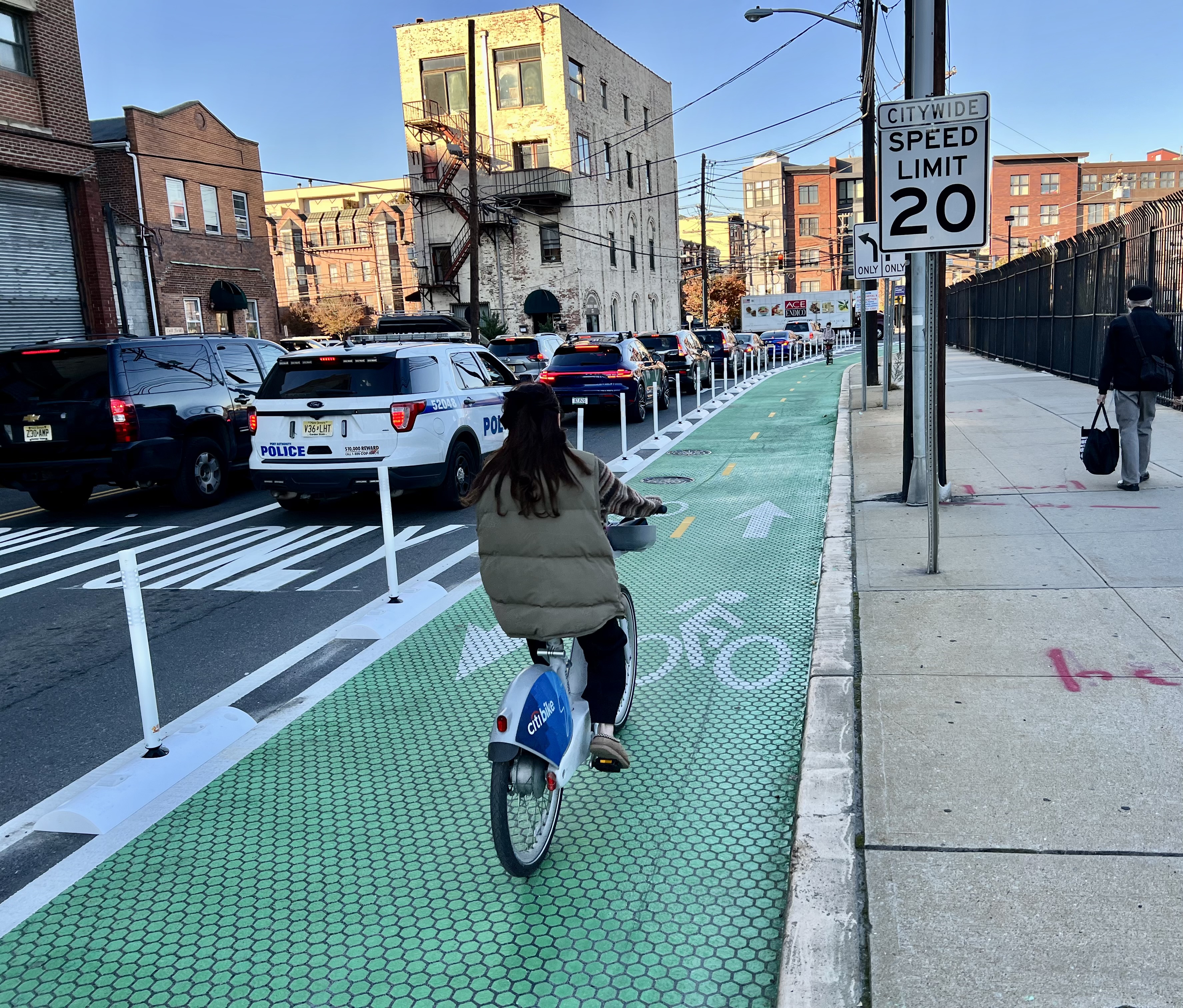
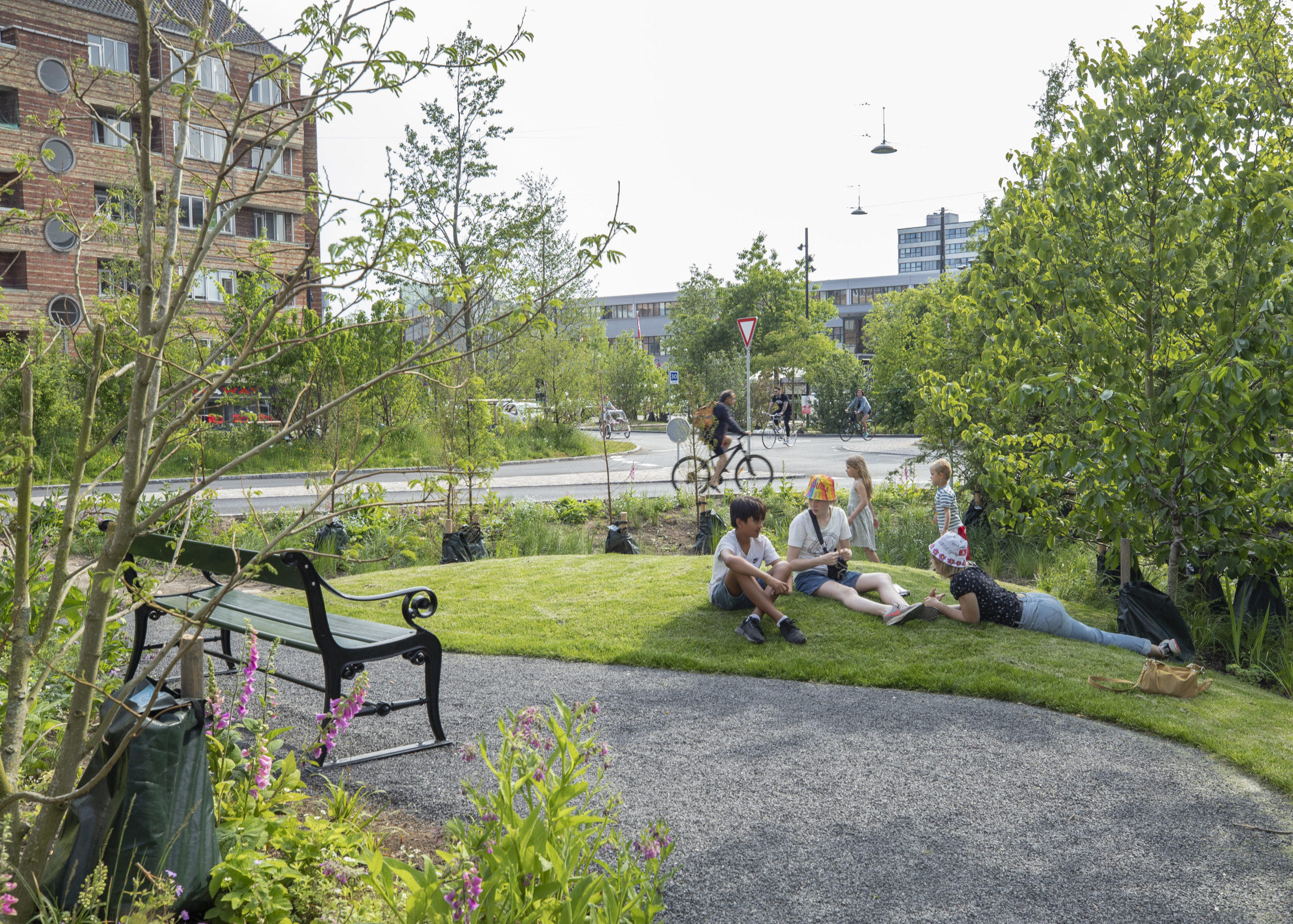
Urban improvement rarely announces itself. It happens curb by curb. Bike lane by bike lane. Park by park. Yet across major cities, the cumulative effect is unmistakable.
Streets are quieter. Air is cleaner. Sidewalks feel less like afterthoughts. Paris, Los Angeles, and dozens of smaller cities have reoriented daily life around people rather than vehicles.
These changes don’t promise utopia. They promise something more realistic: days that feel slightly easier to move through.
5. A Growing Preference for Building Over Broadcasting
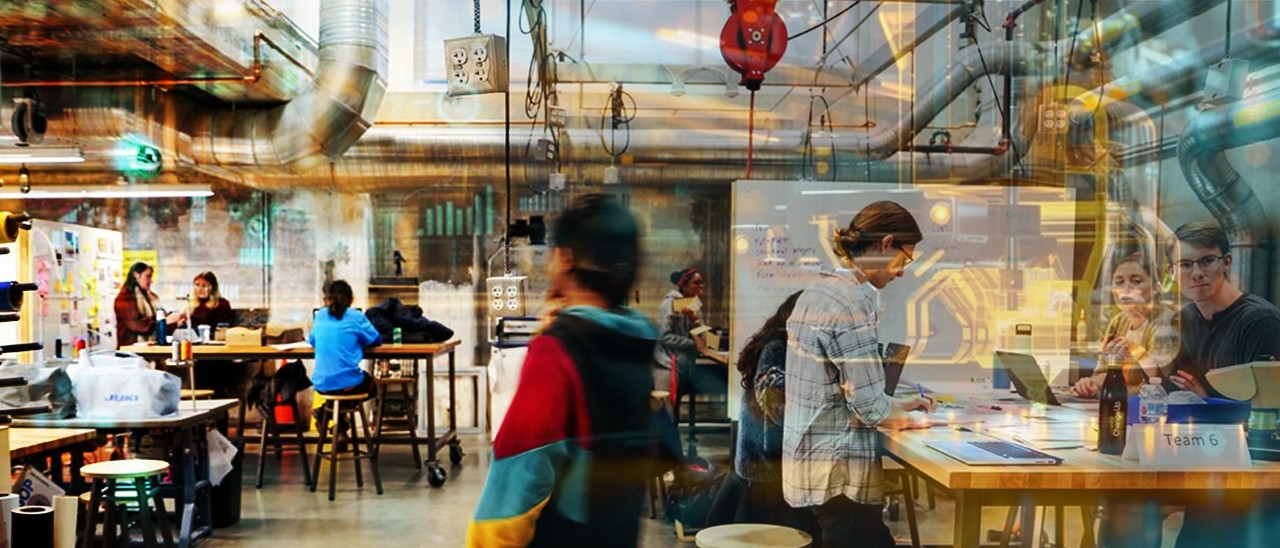


There’s a cultural pivot underway, and it doesn’t come with a slogan. After years of maximal self-expression and constant commentary, attention is drifting toward people who are actually making things.
Small manufacturers. Local brands. Community projects. Physical products built to last. The aesthetic of the moment favors substance over spectacle, durability over hype.
It’s not anti-technology. It’s post-performative. Less noise, more work.
M2 Take
The most encouraging thing about 2026 is how little of this progress is trying to impress anyone. Energy systems are improving because they’re efficient. Healthcare tools are spreading because they help. Cities are changing because people kept pushing, block by block.
Hope doesn’t look like a breakthrough right now. It looks like competence, persistence, and a growing number of systems doing what they’re supposed to do.
That’s not flashy.
It’s better.