


01 Oct What the Hell Happened to Peloton? The Rise, the Wipeout, and the Comeback Fantasy
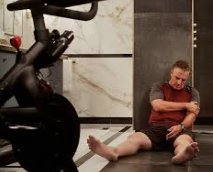
Hey, remember COVID?…
Not long ago, owning a Peloton was a lifestyle flex — part fitness, part status symbol, part cult. Then the wheels came off. Hard. Now the company that once had more momentum than SoulCycle on Adderall is trying to drag itself back from the burn pile it built.
Here’s how Peloton went from home-fitness messiah to clearance aisle cautionary tale — and whether resurrection is even on the table.
THE RISE: From Niche Bike to Pandemic Religion
Peloton launched in 2012 as a premium spin bike plus streaming service. The pitch: skip the gym drama, sweat in your living room while a hyper-charismatic fitness deity yells your name through the screen.
What made it explode:
-
Subscription model + expensive hardware = Wall Street happy
-
Tribe mentality — instructors became influencers
-
Pandemic lockdowns turned it into fitness’s version of Zoom
-
Stock soared to $160+ by late 2020
-
Market cap peaked at ~$50 billion
-
Waitlists for $2,000 bikes were months long
Peloton wasn’t selling exercise equipment — it was selling identity.
THE FALL: Ego, Overproduction, and Reality
Peloton believed the pandemic boom was a forever boom. Spoiler: it wasn’t.
Here’s how they self-destructed:
1. They built like COVID would last forever
-
Opened new factories
-
Stockpiled bikes and treadmills
-
Expanded aggressively overseas
-
Hired like they were Apple
Then gyms reopened. Demand cratered. Warehouses filled. Returns climbed.
2. They priced themselves into oblivion
-
$2K+ bikes
-
$4K treadmills
-
$44/month subscription
-
Financing plans that outlived relationships
When inflation hit, consumers tapped out.
3. The recalls
-
Treadmills injured kids and pets
-
125,000 Tread+ units recalled
-
$165 million settlement
-
Confidence tanked
4. The “Mr. Big” Moment
Sex and the City relaunched… with Peloton as a plot device. Carrie’s husband dies of a heart attack on the bike. The internet melted. Peloton’s stock dipped in real time.
They responded with a panic commercial starring Chris Noth — who was then immediately hit with sexual assault allegations. Ad pulled. Money burned. You can’t script this stuff.
5. The collapse
-
Stock nosedived from $160 to under $5
-
CEO and founder John Foley ousted
-
$2.8 billion in losses
-
Layoffs in the thousands
-
Factories closed before they even opened
The company basically spun itself off the bike.
THE “COMEBACK” PLAN: Can This Thing Be Saved?
Now under CEO Barry McCarthy (ex-Spotify, Netflix), Peloton’s trying a full identity transplant:
1. Subscriptions over hardware
-
Push the app, not the bike
-
Cheaper digital-only plans
-
Train on your phone, not a $2,500 machine
2. Equipment rentals
-
“Peloton for $89/month” — bike + subscription
-
Turning ownership into leasing
3. Retail partnerships
-
Selling through Amazon, Dick’s Sporting Goods, select showrooms
-
Less reliance on Peloton-owned stores
4. Rebranded hardware tiers
-
Better entry-level models
-
Refurbished gear to lower the buy-in
5. Lean workforce and cost cuts
-
Thousands laid off
-
Real estate trimmed
-
Manufacturing outsourced
The company is betting it can be the Netflix of fitness, not the Tesla of treadmills.
THE OUTLOOK: Zombie Unicorn or Actual Revival?
The problems:
-
Gym memberships are back
-
Competitors are cheaper (Hydrow, Tonal, NordicTrack, Apple Fitness+)
-
The cult-like magic is gone
-
The hardware glut still hurts margins
-
Subscription growth is stagnant
-
Investors have trust issues
The hope:
-
Brand recognition is still elite
-
Instructors are mini-celebrities
-
Hybrid fitness isn’t dying — just evolving
-
If they ditch ego and go full service model, they might survive
Right now, Peloton isn’t rising from the ashes — it’s trying not to trip over its own dumbbells.
M2 Take
Peloton didn’t get blindsided — it got high on its own supply. It mistook a pandemic spike for permanent cultural relevance and built a company for a world that stopped existing the minute gyms reopened. Now it’s racing to swap luxury hardware for subscription software before the cash runs out. Resurrection’s possible, but it won’t look like the Peloton people bragged about in 2020. It’ll look like a fitness app trying to pretend it used to be a revolution.