


16 Oct Video killed the video star.
The End of an Era: MTV Europe’s Music Channels to Shut Down by Year-End
What’s happening
MTV’s parent company, Paramount (now merged with Skydance), has announced that five of MTV’s music channels across Europe — MTV Music, MTV 80s, MTV 90s, Club MTV, and MTV Live — will cease broadcasting on December 31, 2025. (euronews.com)
These shutdowns will begin in the UK and Ireland, then affect countries such as France, Germany, Poland, Hungary, Austria, Brazil, and more.
MTV’s flagship (non-music) channel is expected to remain, but with programming shifted fully toward reality, youth-oriented content. (thesun.co.uk)
Why It’s Happening
1. Streaming & On-Demand Culture
Viewership of linear music TV channels has been in steady decline for years. Fans now turn to YouTube, Spotify, TikTok, and other digital platforms to consume music videos and discover new artists — on their own timing. (edmtunes.com)
2. Cost Cuts & Corporate Restructuring
With the merger between Paramount Global and Skydance, the company aims to slash $500 million in costs globally. Cutting these music channels is part of that strategy. (nypost.com)
3. Shift in MTV’s Identity
Over the past decade, MTV has been drifting away from pure music video content, emphasizing reality shows and entertainment programming instead. The MTV brand now carries less as a music broadcaster, and more as a youth culture / pop content network. (wcvb.com)
The Rise of MTV & the Fall of the Music Channel Model
Launch & Golden Years
-
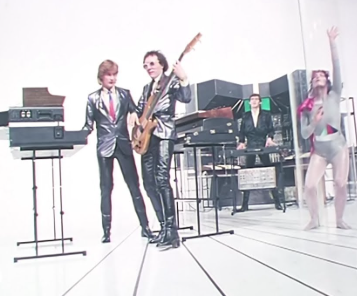
MTV began in the U.S. on August 1, 1981, debuting with “Video Killed the Radio Star.” (en.wikipedia.org)

-
MTV Europe launched on August 1, 1987, broadcasting from Amsterdam. The first video aired was “Money for Nothing” by Dire Straits. (udiscovermusic.com)


-
MTV’s format — curated music videos, VJs, premieres, countdowns — became a cultural driver in the 1980s and 1990s. It shaped how audiences discovered music, defined youth identity, and created stars via video visual eras.
Gradual Decline
-
As broadband, streaming, and mobile video rose, the allure of “tune in at this hour for a video” weakened.
-
MTV reduced music programming in many regions and increased reality / lifestyle content.
-
Many local MTV Music channels across Europe had already been folded, consolidated, or rebranded in previous years.
-
In the UK, MTV local production was curtailed in 2025, cutting shows like Fresh Out Live and MTV Gonzo — a sign of an identity shift already underway.
What It Means & What to Watch
-
For music lovers, it’s the closing of a chapter — one where music television was once a central discovery tool.
-
It underscores how digital platforms have captured not just consumption but culture itself.
-
The MTV brand will persist, but its role as a music curator on TV is essentially ending in Europe.
-
There’s speculation about whether similar moves may come to U.S. MTV, though no firm announcements yet.
M2 Take
MTV’s shutdown in Europe isn’t just another cost-cutting move. It’s the final admission that the model that once defined global youth culture has lost its place in the digital era. What began with “Video Killed the Radio Star” ends with TikTok, YouTube, and Spotify killing the very idea of waiting for a VJ to show you what’s new.
MTV once created stars; today, the stars create themselves. For marketers and media, the lesson is sharp: nostalgia doesn’t hold back disruption. Platforms win when they align with how people already live, watch, and share. MTV Europe’s demise is a case study in what happens when a brand drifts from its core and fails to evolve fast enough.