


20 Sep The Jobs Most at Risk in the Age of AI (And What That Really Means)
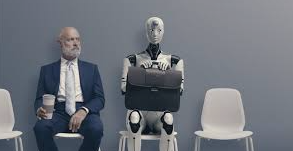 Every week, someone says “AI is coming for your job.”
But which jobs? When? And is this about replacement — or transformation?
What AI Is Already Eating
Let’s get real: AI isn’t just theory anymore. It’s already reshaping industries:
-
Customer Support: Chatbots can now handle 70–80% of first-line customer service inquiries. Gartner predicts that by 2027, chatbots will save businesses $80 billion annually in support costs.
-
Copywriting & Content: Tools like ChatGPT and Jasper write product descriptions, SEO blogs, ad copy — faster and cheaper than junior copywriters.
-
Data Entry & Admin: Automation platforms are replacing repetitive tasks like invoice processing, form filling, appointment scheduling.
-
Basic Legal & Financial Drafting: AI can now draft contracts, write legal briefs, summarize case law, and generate financial reports — good enough that some firms are rethinking junior associate roles.
-
Radiology & Diagnostics: AI can catch certain cancers and fractures with accuracy on par with or better than human radiologists. That doesn’t eliminate doctors — but it does change what they spend time doing.
Jobs at Greatest Risk in the Next 5–10 Years
| Risk Level | Roles at Risk | Why |
|---|---|---|
| 🔥 High | Telemarketers, Data Entry Clerks, Basic Customer Service, Proofreaders, Fast-Food Order Takers | These jobs are repetitive, rules-based, easy for machines to replicate. |
| ⚠️ Medium | Paralegals, Accountants, Financial Analysts, Translators, Medical Coders | AI can handle much of the heavy lifting, but humans are still needed for judgment, oversight, and nuance. |
| 🧠 Lower (But Changing) | Journalists, Designers, Software Engineers, Teachers, Doctors | These roles require creativity, strategy, emotional intelligence — but expect your workflows to change a lot. |
The Jobs AI Can’t Kill (Yet)
AI struggles with:
-
Complex Human Empathy: Therapy, negotiation, care work still need actual humans.
-
Hands-on Labor: Plumbing, electricians, chefs, hairstylists, construction — good luck getting an AI to install a sink.
-
High-Level Creativity + Strategy: The “big idea” stage still comes from humans (though AI can turbocharge the process).
What This Means for Workers (and Brands)
-
Upskilling Is Survival: If your job is repetitive, learn the AI tools now so you’re the one using them — not being replaced by them.
-
Creativity Becomes More Valuable: Humans who can do what AI can’t (big-picture thinking, emotional storytelling, cultural insight) will stand out.
-
Brands Should Prepare: Workforce planning is no longer optional. Build training programs, rethink job descriptions, and be transparent about where AI fits.
The Takeaway
AI isn’t coming for all jobs — but it is coming for the boring parts first.
The winners will be the ones who learn to work with AI, not compete against it.