


26 Sep Tariff Shock: What’s Coming Next Week & Who Pays the Price
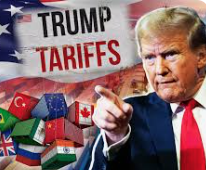
We’re about to wake up to new taxes you didn’t vote on — but as Ferris knows you will feel in your wallet, your supply chains, and on store shelves. Tariffs that take effect next week are about to redraw who pays for imports in America. And when that shift happens, the burden rarely falls on foreign exporters.
What’s Changing: The Tariffs Kicking In
-
Furniture & cabinets: On October 1, we’ll see 50% tariffs on kitchen cabinets and bathroom vanities, and 30% on upholstered furniture. Politico+2Barron’s+2
-
Heavy trucks: A 25% tariff is set for heavy trucks imported into the U.S. as of the same date. Politico+1
-
Pharmaceuticals: Branded, patented pharmaceutical imports will face 100% tariffs, unless the manufacturer is already building (or has broken ground on) U.S. manufacturing facilities. Generic drugs are mostly exempt. Financial Times+2The Washington Post+2
These aren’t small tweaks — they’re sweeping, high-rate tariffs touching key consumer and industrial categories. The stated justification is national security and bolstering domestic manufacturing. Politico+2The Washington Post+2
What It Means for Consumers
| Impact | How It Plays Out | Who It Hits Hardest |
|---|---|---|
| Higher Prices on Home Goods | Furniture, cabinetry, upholstery costs go up — expect sticker shock in home improvement, décor, furnishing categories. | Middle-income households furnishing new spaces or doing renovations. |
| Drug Costs Risking a Spike | Branded drugs could see sharp markups unless domestic production qualifies them. | Patients on specialty or brand medications, chronic disease populations. |
| Supply Chain Disruption | Some goods may become harder to source, or lead times will stretch as businesses reconfigure sourcing. | Businesses reliant on imported inputs, smaller companies with less margin cushion. |
| Inflation Pull | These tariffs add to already elevated inflation; analysts expect price increases of 2%+ in some categories. CBS News+2PBS+2 | All consumers — especially low-income households with tight budgets. |
To give scale: according to the Tax Foundation, these new tariff measures amount to an average tax increase of ~$1,300 per U.S. household in 2025, rising to ~$1,600 in 2026. Tax Foundation
What It Means for Businesses
Directly Affected: Importers, Retailers & Supply Chains
-
Cost Pressure: Companies that import finished goods or components will absorb more cost or pass it on to customers.
-
Margin Squeeze: Big retailers (Wayfair, RH, Williams-Sonoma) have already seen stock drops in premarket trading. Barron’s
-
Inventory Risks: Businesses held large inventories at old costs may lose when trying to absorb tariff jump or adjust pricing.
-
Sourcing Pivot: Some will try to re-source domestically or from non-tariffed countries — a shift that takes time and often more expense.
Indirect Effects: Manufacturers, Downstream Industries
-
Input Costs Rise: Even businesses not directly importing furniture or drugs may face higher costs on raw materials or intermediate goods.
-
Competitiveness Hit: Firms exporting goods abroad may face retaliation or weaker foreign demand if U.S. trade becomes more hostile.
-
Capital & Investment Drag: Uncertainty around trade regimes makes investment planning riskier. Some capital might stay on the sidelines.
-
Regulatory & Legal Risk: Some tariffs (e.g. under Section 232 / “reciprocal tariffs”) are under judicial challenge, creating ambiguity. Politico+2The Washington Post+2
A PBS analysis frames it as “self-inflicted wounds” — companies and consumers will feel the pain as the new levies roll out. PBS
What to Watch & How to Prepare
-
Tariff Exemptions & Safe Harbors: Some drug makers may avoid the 100% rate if they meet the U.S. manufacturing build criterion. Financial Times+1
-
Supplier Diversification: Businesses should scout alternate suppliers now to cushion tomorrow’s shock.
-
Pricing Strategy: Decide whether to eat costs (short-term) or pass them to customers — either path has brand risk.
-
Communications & Transparency: Expect backlash. Brands that explain “why” may retain more trust than those that silently raise prices.
-
Watch for Retaliation: Tariff escalation often leads trading partners to respond — which can close off export markets.
m2 Take
The new tariffs going live next week aren’t just a trade policy move — they’re a test. A test of who holds power in the market: the importer, the retailer, or the consumer.
What’s coming is pain on multiple fronts: higher costs, fragile margins, supply drama, and tough calls on whether to raise prices or swallow the hit.
If you’re a business, now is not the time to stay passive. If you’re a consumer, get ready — the cost of the next sofa or the next prescription might look very different.