


24 Sep Relaunch Roulette: The Brands That Nailed It — and the Ones That Crashed Hard
Relaunching a brand is one of the riskiest moves in business. Do it right, and you make history. Do it wrong, and your fans revolt — loudly.
Let’s break down the best, the worst, and the lessons every brand should tattoo on their wall before touching their logo, product, or positioning.
The Ultimate Case Study: Old Spice vs. Tropicana
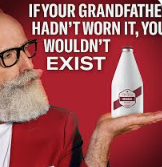
Old Spice — The Glow-Up That Changed Everything
Then: The aftershave your dad used. Dusty, irrelevant.
Move: W+K’s “The Man Your Man Could Smell Like” campaign flipped the target — speaking to women who buy men’s body wash — and used surreal humor + internet-first creative.
Impact:
-
Sales of Old Spice Red Zone body wash jumped +60% YoY within months.
-
By July 2010, sales were +125% YoY.
-
The campaign won Cannes Grand Prix and turned Old Spice into a meme machine.
Lesson: Don’t just refresh the logo — refresh the story. Make the brand feel alive, relevant, and too fun to ignore.
Tropicana — The $30M Packaging Disaster
Then: The iconic straw-in-orange carton. Immediate shelf recognition.
Move: Redesigned packaging to look “cleaner” and more minimal. Lost its signature look.
Impact:
-
Sales plunged 20% in two months — about $30M lost.
-
Tropicana was forced to revert to its classic design almost immediately.
Lesson: Packaging isn’t just pretty — it’s how shoppers find you at 40 MPH with a cart. Kill the memory anchor, kill the sales.
Honorable Mentions — Relaunch Wins
-
Burberry: Pulled back cheap licenses, leaned into heritage, brought in Christopher Bailey. Went from overexposed to aspirational again.
-
Dunkin’: Dropped “Donuts,” refocused on drinks + speed, refreshed stores and app. Now a legit Starbucks competitor.
-
Airbnb: Rebranded with the Bélo symbol and “Belong Anywhere.” Expanded from cheap stays to lifestyle brand. IPO’d at $47B.
-
Apple: Steve Jobs’ 1997 return slashed product lines, launched iMac + iPod, and made Apple the most valuable company in the world.
Honorable Mentions — Relaunch Fails
-
Gap (2010): Helvetica + sad blue square. Social media backlash was so loud they reverted in 6 days.
-
New Coke (1985): Reformulated soda backfired. Consumers rioted. Coke Classic returned in 79 days.
-
JCPenney (2011): Killed coupons overnight. Lost $4B in sales in a single year.
-
Hershey’s (2009): Modernized logo looked too much like the poop emoji. Became a meme instead of a win.
The Playbook for Relaunching Right
Do:
• Keep your memory assets (colors, icons, core product cues)
• Make the change feel inevitable and culture-forward
• Back up design change with product + CX upgrades
Don’t:
– Go cosmetic only — or customers will call the bluff
– Alienate your most loyal users without bringing them along
– Mistake “modern” for “meaningful”
m2 Take
Relaunches aren’t just design projects — they’re emotional contracts with your audience.
Old Spice proved you can time-travel a brand into relevance if you protect the memory and reinvent the meaning. Tropicana showed what happens when you erase what made you recognizable.
The real power move isn’t just a new look — it’s making the brand feel like it always should have been this way. If your fans don’t nod and say “finally,” you’re not relaunching — you’re just rolling dice.