


21 Oct Private Credit, Public Panic: Why the BoE Thinks the Bubble’s About to Pop
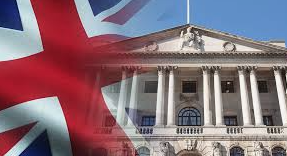
Shadow Banks, Bubble Breach? Bank of England Sounds Alarm on Private Credit
Lead-in
As two U.S. credit firms topple and the private debt sector balloons into the trillions, the Bank of England is warning that something serious might be brewing — and that the private credit market’s glow could be masking structural risks akin to the 2008 crash.
What’s Going On
-
On October 21, 2025, Bank of England Governor Andrew Bailey told the UK Parliament’s House of Lords that recent collapses of U.S. firms — First Brands (a car-parts supplier) and Tricolor (a sub-prime auto lender) — may be canaries in the coal mine for wider stress in the “private credit” or “shadow banking” world. Reuters+2The Guardian+2
-
He pointed out that practices like “slicing and dicing” and “tranching” of loan structures — tactics used heavily before 2008’s sub-prime collapse — are now showing up again in private financing. The Guardian+1
-
The private credit market (non-bank financial lending to corporates via private funds) has grown significantly since the global financial crisis, filling the gap left by traditional banks. It’s less transparent and less tightly regulated. The Guardian+1
-
The Bank of England plans a system-wide exploratory stress test involving banks, insurers, private-equity firms and non-bank lenders to map linkages and vulnerabilities — expected to run 9-12 months. Reuters
Why It Matters
-
Private credit funds are growing quickly, but their transparency, underwriting standards and risk buffers are weaker than those of regulated banks. This increases the chance of weak loans cascading into wider financial stress. The Guardian+1
-
Traditional banks are exposed to this sector — via debt they hold, loans to private credit firms, or through mutual assets — meaning even non-bank failures can ripple into the banking system. Financial Times+1
-
If one or more big private‐credit failures pan out like the early stages of 2008, the consequences could go beyond niche investors: credit markets, pension funds, insurers and consumer lending may feel it.
-
Financial stability and regulatory oversight may need shifting — the Bank of England is signalling that the era of “unseen risks in non-bank finance” might be over.
What to Watch
-
Upcoming defaults & exposures: Keep an eye on big private credit funds, leveraged loans, and companies with heavy private‐credit backing.
-
Stress test results: The outcomes of the Bank’s scenario work will influence regulation, disclosure rules and possibly oversight of non-bank lenders.
-
Bank exposures: Which banks have large direct or indirect exposure to private credit? Tracking bank disclosures and losses will matter.
-
Investor behaviour & asset prices: If private credit yields drop suddenly, or defaults rise, risk assets could see a contagion effect.
-
Regulatory shift: Will governments and central banks move to close regulatory gaps around private‐market finance? This might include higher capital‐like cushions or transparency mandates.
M2 Take
The private credit boom has been one of the less-visible stories of the post-2008 era: huge sums, lots of innovation, and minimal public scrutiny. Now the Bank of England is saying “hold on” — and that’s the red flag.
In simple terms: if you can’t see the risk, you might just be part of it. For investors, businesses, and even consumers: this isn’t about one fund failing — it’s about whether the scaffold holding modern finance aloft is strong enough for the next shock.
Financial innovations aren’t inherently bad, but when they echo past crisis mechanics (opaque debt, structuring, leverage), the comfort zone shrinks. The message is clear: pay attention, dig into exposures, demand transparency — because when the “shadow” side of credit shows daylight, the whole system may feel the glare.