

19 Sep How Much Censorship Can the Government Really Do — And What’s Free Speech Anyway?
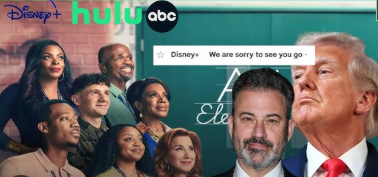 In 2025, “free speech” isn’t just a constitutional phrase. It’s political theatre, legal battlefield, and PR controversy all rolled into one. From suspensions of late-night hosts to new bills threatening platforms, the fight over what speech gets silenced is heating up.
The Big Tension: Censorship vs Free Speech
-
The U.S. Constitution’s First Amendment says the government shall not abridge the freedom of speech. But in practice, what counts as “abuse” or “censorship” is complex.
-
Private platforms (social media networks, broadcasters) are not the government — so they can set rules for content, moderate, block, remove. But when government pressures or mandates begin, that’s when constitutional lines get blurry.
Recent Examples
-
Jimmy Kimmel Suspension
ABC suspended Jimmy Kimmel Live! after he made comments about a right-wing figure’s killing. Some ABC affiliates objected. FCC Chair Brendan Carr reportedly suggested affiliate stations could lose licenses if they didn’t comply. Critics say this looks like government coercion. The Guardian+2Business Insider+2 -
The ACLU Reports Coercion
The ACLU says that in the wake of recent events, the U.S. government has threatened or intimidated people and institutions who express views outside of what current officials find acceptable. Critics say this violates free speech, especially if people self-censor out of fear. American Civil Liberties Union -
Murthy v. Missouri
This case concerns whether the federal government coerced social media platforms to suppress speech (on misinformation, COVID-19, elections etc.). The courts are still wrestling with whether asking or nudging platforms counts as “coercion.” Wikipedia -
Social Media Platform Rights (Moody v. NetChoice / NetChoice v. Paxton)
These Supreme Court cases found that social platforms have First Amendment rights themselves — meaning the government can’t force them to publish everything, nor stop them from moderating speech as platforms see fit (though legal fights continue over the limits). The Authors Guild+2NCSL+2
Why It Matters (Beyond the Courthouse)
-
Self-Censorship: Even if the government isn’t explicitly silencing someone, people may avoid saying things that might get attention, provoke backlash, or cause regulatory pressure.
-
Platform Risk: Platforms may change moderation policies to avoid legal risk, which can chill some speech or over-moderate to stay “safe.”
-
Public Trust & Culture Wars: When people perceive censorship (or coercion), trust erodes. Media bodies might get seen as mouthpieces rather than watchdogs.
-
Brand & Creator Impact: If speech is policed, either by platforms or government, creators and brands might avoid certain topics, or get punished indirectly (demonetization, loss of reach) even when they don’t break rules.
What Free Speech Law Actually Allows — & Doesn’t
Here are some legal guideposts:
| Legal Principle | What Government Can’t Do | What Government Might Do |
|---|---|---|
| Government Action | Forcing a broadcaster to drop an opinion, or revoking licenses based on content. | Regulate “time, place, manner” (e.g. noise ordinances), some speech with strong harm (threats, incitement) |
| Platform Rights | Forcing a private platform to carry all speech (non-user content). | Platforms can moderate, remove, or demote content under their own policies. |
| Coercion & Pressure | Direct threats (legal, regulatory) in order to silence critics is risky / possibly unconstitutional. | Government can express concern, ask or encourage platforms, but that becomes dangerous if it crosses into coercive territory. |
What You / Brands Should Watch Out For
-
Transparency: Be aware when platforms change moderation policies, especially under government pressure.
-
Content Strategy: Think ahead: If laws or pressure increase, content that’s too edgy or critical may get suppressed or face risks.
-
Advocacy & Public Support: Supporting free speech efforts (nonprofit actions, journalism transparency) can help protect the space in which media operates.
-
Ethical Communication: Be clear about sources, disclaimers, and avoid sensationalism that invites regulatory or political blowback.
Prediction: What’s Next
-
More lawsuits over government coercion of platforms.
-
Clashes over what counts as “misinformation” vs “protected speech.”
-
Potential federal laws or state laws that force platforms to disclose moderation policies or resist pressure.
-
A louder public discourse about what limits we want, vs. what the government or platforms impose.