

25 Sep Doomscroll Nation: How News Overload Is Making Us Numb
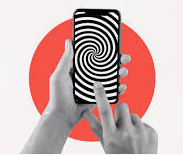
Every morning starts the same: phone lights up, push alerts stacked like Jenga blocks — wars, elections, scandals, celebrity meltdowns, the market tanking, the market rebounding, the planet burning, another “must-know” trend.
We’re living in the era of the always-on feed, where news isn’t just delivered — it’s force-fed, in real time, until we stop tasting it.
The Research: Doomscrolling Isn’t Just a Buzzword
-
A 2024 Harvard Health piece cites a study of 800 adults showing doomscrolling can trigger existential anxiety — feelings of dread tied to confronting life’s limits. Harvard Health+1
-
That same Harvard article lists physical harms: headaches, muscle tension, neck/shoulder pain, sleep disruption, even elevated blood pressure. Harvard Health
-
A 2024 Stanford analysis of ~30 million posts showed that negative emotional content spreads faster — meaning our algorithms favor despair. Stanford HAI
-
The University of Florida classified doomscrolling as a distinct behavior, not just “reading the news”— it’s compulsive consumption of negative info. University of Florida News
-
In a 2022 study (“Doomscrolling Scale,” Satici et al.), the habit correlated strongly with personality traits, social media addiction, fear of missing out, and worsening well-being. PMC
-
The APA reports media overload leads to news stress, burnout, and emotional fatigue. American Psychological Association
-
Another study found that “news failure” (when coverage becomes repetitive or shallow) and search overload push people toward news avoidance, which is part of the same problem. Tandfonline
How the Numbness Sets In
Here’s how the overload warps us:
-
Emotional Desensitization
The first few shocking headlines stir you. After dozens? Your brain starts filtering them out. Hard news becomes background static. -
Flat Affect + Shallow Reactions
We “like,” “share,” or comment emojis. Real grief, anger, or caring get silenced. It’s Reddit flair for real lives. -
Algorithmic Acceleration of Negative Spiral
Algorithms detect engagement — negative stories get more traction; so the feed gets darker, faster. That keeps you scrolling. Stanford’s data backs this. Stanford HAI -
Disconnection from Reality
Real life moves slower, but the feed demands intensity. We get out of sync with our own days — more reaction than action.
The Real Costs
-
Mental Health Toll: Anxiety, depression, existential dread — all linked by Harvard, APA, and other studies.
-
Physical Effects: Headaches, disrupted sleep, tension, possibly elevated BP. Harvard Health
-
Engagement Decay: Overload makes us shut off — we avoid news, pull back, or disengage entirely.
-
Stunted Action: Knowing doesn’t mean doing. We’re flooded with problems but our capacity to act shrinks.
What to Do About It (Without Becoming a Luddite)
-
Set News Windows: Choose 1–2 times a day to check headlines. No constant refresh.
-
Curation Over Coverage: Pick a few trusted sources. Mute the rest.
-
Switch to Long Form: Read a full article, a report, a podcast. Depth > breadth.
-
Digital Boundaries: Move your news apps off home screen. Disable notifications.
-
Convert Feeling to Action: Turn outrage into motion — call, write, volunteer. Don’t let it vanish into the scroll.
m2 Take
We weren’t meant to live in constant alarm. But that’s exactly where many of us find ourselves now.
News overload doesn’t just drain energy — it shrinks the space for real caring, real action, real life.
If we don’t interrupt the scroll, we risk becoming hollow consumers of drama rather than participants in change. Let’s slow the stream, reclaim what matters, and get back to lives we remember living.