


04 Nov Correction Coming: Why Wall Street’s 20% Warning Should Scare Every Brand CMO
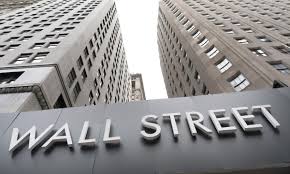
The Great Market Cool-Off: Wall Street Warns of a 20 % Correction – and Brands Should Listen
When Wall Street catches a chill, brand budgets tend to sneeze.
This week, both Goldman Sachs CEO David Solomon and Morgan Stanley CEO Ted Pick delivered a sobering assessment of market euphoria. Their joint warning — that valuations in tech and adjacent growth sectors may be overheated by as much as 20 percent — sent tremors through global equities. New York Post+1
By Tuesday morning, U.S. stock futures for the Dow, S&P 500 and Nasdaq were already sliding. Analysts cited “frothy valuations,” a phrase that usually precedes the kind of sell-off where even the strongest brands feel the temperature drop.
The Areas & Sectors Most Exposed
Technology (especially Big Tech & AI infrastructure):
-
The concentration risk is high, with a handful of companies dominating large chunks of the market. The Guardian+1
-
AI companies, chip-makers, cloud infrastructure firms are priced for perfection; margin for error is slim. The Economic Times+1
Communications & Consumer Discretionary (digital-first / growth brands):
-
These sectors benefited heavily from low interest rates and loose capital; when risk appetite shifts, they are among the first to get hit.
-
When consumers tighten up, discretionary spend falls — digital subscription services, direct-to-consumer brands feel it.
High-growth / Pre-profit companies:
-
Firms with high valuations based on future growth (not current profits) are especially vulnerable when confidence wavers.
-
When variable costs, capex and growth expectations collide with slower actual growth, the correction magnifies.
Risk-sensitive supply chains / hardware / semiconductors:
-
Companies that rely on heavy capex or long lead-times (e.g., semiconductors, hardware for AI) face both valuation and execution risk. The Wall Street Journal+1
Companies That Should Be Particularly Concerned
-
NVIDIA Corporation (NVDA) — A leading AI chip-maker, very high multiple, heavy exposure to AI infrastructure demand.
-
Palantir Technologies (PLTR) — Saw a sharp drop despite strong earnings, showing how fragile sentiment can be. New York Post
-
Amazon .com, Inc. (AMZN) — Although diversified, its cloud and innovative growth lines may get punished when growth expectations reset.
-
Tesla, Inc. (TSLA) — Exposure to high-valuation EV/tech storytelling; risk if growth slows or costs rise.
-
Meta Platforms, Inc. (META) — Heavy reliance on digital ad growth and “metaverse” narrative; vulnerable in a sentiment shift.
Why a Market Correction Isn’t Just a Wall Street Story
For brands, a correction doesn’t just mean red tickers on CNBC — it means a mood change.
-
Venture-backed brands lose easy access to cash.
-
Retailers see reduced consumer confidence and discretionary spend.
-
Marketers are asked to “do more with less,” often while proving ROI on every channel.
The psychological shift from greed to caution is what ripples through Main Street. People stop saying “why not?” and start saying “not yet.”
The Coming Marketing Reset
This environment favours marketers who can prove efficiency, adaptability, and empathy. We’re entering a cycle where tone and timing will matter as much as spend. Brands built on bravado and endless optimism may look tone-deaf if consumers start counting dollars.
Instead, the playbook looks like this:
-
Pivot from scale to substance. Focus on storytelling that builds resilience — heritage, authenticity, community, purpose.
-
Re-engineer acquisition costs. First-party data, loyalty programmes, CRM retention will outperform spray-and-pray ad buys.
-
Plan for two quarters of restraint. Every CFO in America is now watching burn-rates, so your next brief should sound responsible and confident.
M2 Take
The correction isn’t a crash; it’s a reality check. For marketers, this is the moment to reassert value — not vanity.
When the easy money drains out, what’s left standing are brands with real emotional equity, disciplined strategy, and proof of impact.
So while Wall Street braces for a 20 percent slide, the smartest brands will use that same 20 percent to tighten, clarify, and differentiate — before the next wave of optimism returns.