


24 Sep Can we talk? Jimmy Kimmel’s return -and what that means.
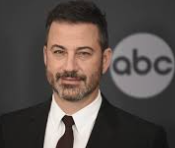
Late-night TV just got a lot more political — and not because of a joke.
Jimmy Kimmel’s six-day suspension wasn’t just a network call. It was a stress test of who controls the mic in 2025. And his return tells us a lot about where media — and speech — are heading next.
A Quick History of “Who Gets to Talk”
This isn’t the first time the government tried to steer what shows up on your screen:
-
Fairness Doctrine (1949-1987): Required broadcasters to air “both sides” of controversial issues. Critics called it censorship by balance; Reagan killed it, unleashing talk radio and, arguably, today’s polarized media landscape.
-
The Blue Book (1946): The FCC tried tying licenses to public-interest programming quotas. Broadcasters revolted. The policy mostly fizzled.
-
Pacifica (1978): The Supreme Court let the FCC restrict “indecent” broadcasts (famously, George Carlin’s Seven Dirty Words). But it didn’t go after political speech — just language.
Those fights were slow, bureaucratic, and structural. What’s happening now is none of that.
Why This Is Different
-
Direct Threats, Not Just Rules
FCC Chair Brendan Carr didn’t talk about abstract standards — he called out Kimmel by name and hinted networks could lose their licenses. That’s regulator-as-enforcer, not regulator-as-referee. -
Punishing Specific Speech
Old doctrines tried to balance coverage. This isn’t “be fair.” This is “don’t say that.” Kimmel wasn’t suspended for indecency — he was suspended for a political opinion. -
Affiliate Blackouts = Modern Gatekeeping
Disney brought him back, but giant station owners like Nexstar and Sinclair are still refusing to air him. In a streaming world, local blackout power still matters — and now it’s being used to mute dissent. -
Weaponizing “Public Interest”
The term was once meant to keep broadcasters accountable. Now it’s being used as a cudgel: stay in line or risk regulatory pain.
What Happens Next
-
More Chilling Effects: If late-night hosts think their words could cost their network licenses, expect safer, blander comedy.
-
Bigger Role for Streaming: Creators will hedge against broadcast risk by leaning into digital platforms that aren’t FCC-regulated.
-
Pressure on Affiliates: Public backlash could force holdout stations to air Kimmel — or widen the blackout if politics escalate.
-
A Test Case: If this works politically, expect more interventions the next time a commentator, host, or journalist goes off-script.
m2 Take
Kimmel’s comeback isn’t just about one host or one joke — it’s about who controls the edges of speech in 2025.
Past fights were about rules. This one’s about power. And power moves faster now — through regulators, affiliates, and platforms that can silence a voice overnight.
If this becomes the playbook, we won’t just lose late-night comedy — we’ll lose the space where culture, politics, and dissent collide.