


23 Sep America’s Healthcare Crisis: Why the System Makes Us Sicker (and Who’s Profiting)
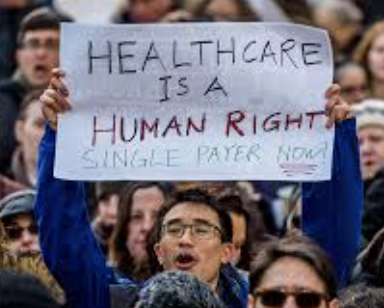
The U.S. spends more on healthcare than any other country — yet we die younger, go bankrupt more often, and report worse health outcomes than most developed nations.
How is that possible? Because our system isn’t just expensive — it’s dysfunctional. And some of its biggest players profit most when patients lose.
The Core Problem: Cost + Access + Inequality
-
Unaffordable Care: Nearly half of U.S. adults say healthcare is difficult to afford. Even insured patients skip meds, delay treatments, or cut pills in half. Medical debt is a leading cause of bankruptcy, and the stress it causes worsens health.
-
Underinsurance & Fragmentation: The system is a patchwork. 26 million people are still uninsured. Millions more are “underinsured” — their coverage doesn’t protect them from financial ruin if something serious happens.
-
Primary Care Shortage: Even if you have coverage, finding a doctor who can see you promptly is getting harder. Primary care is so overburdened that preventive care — the most cost-effective way to keep people healthy — is underused.
Structural Failures Making Us Sicker
-
Chronic Disease Out of Control: Diabetes, hypertension, heart disease — all rising, all expensive, and all preventable with better early intervention.
-
Drug Shortages: Cancer drugs, asthma meds, ADHD medications — even basic generics are in short supply, delaying care and worsening outcomes.
-
Private Equity Pressure: Many hospitals, nursing homes, and even physician groups are owned by private equity firms cutting staff and prioritizing profit. Studies have linked these moves to higher patient mortality and worse care quality.
-
Systemic Inequality: Black, Hispanic, rural, and low-income Americans consistently have worse outcomes. It’s not just biology — it’s access, bias, and infrastructure gaps.
The Big Three Insurers — And Their Controversies
| Insurer | What They Do | Questionable Activities |
|---|---|---|
| UnitedHealth Group | Largest U.S. insurer (Medicare Advantage, employer plans, Optum). | DOJ investigating alleged overbilling Medicare Advantage by inflating patient risk scores. Criticized for excessive prior authorizations that delay scans & treatments. |
| Cigna | Huge managed care + PBM giant. | Exposed for using a system that auto-denied claims without human review. Sued for false billing under Medicare Advantage. |
| Humana | Major Medicare Advantage player. | DOJ lawsuit for illegal kickbacks to brokers to boost enrollment, plus accusations of manipulating CMS star ratings to earn higher bonuses. |
Why this matters:
These companies don’t just process claims — they decide what care you can access, how fast you can get it, and whether it’s covered at all. And their profits often rise when care is delayed or denied.
The Human Cost
-
Patients Delay Care: Fear of cost means conditions go untreated until they become ER visits — or worse.
-
Stress Kills: Medical debt is directly linked to higher rates of depression, heart disease, and even suicide.
-
Doctors Burn Out: Physicians spend more time fighting insurers for authorizations than seeing patients. Many leave medicine early, worsening shortages.
Three New Paths Forward
| Better Option | What They Do | Why They Might Work |
|---|---|---|
| Counterforce Health | Uses AI to help patients and clinics fight unfair claim denials. | Shifts power back to patients, forcing insurers to justify decisions and reduce wrongful denials. |
| Direct Primary Care Models | Membership/subscription-based clinics that remove insurers from routine care. | More access, more time with doctors, better preventive care — without surprise bills. |
| Transparent Alternative Plans | Employer or member-driven plans with clear pricing and fewer middlemen. | Simpler coverage, fewer loopholes, and incentives tied to keeping people healthy. |
What Has to Change
-
Affordability First: Cap out-of-pocket costs, negotiate drug prices, fix shortages.
-
Primary Care Expansion: Pay doctors to keep people well, not just treat illness.
-
Accountability: Regulate prior authorization abuse, force transparency in insurer decisions.
-
Equity & Access: Invest in rural care, minority health programs, community clinics.
m2 Take
America’s healthcare system isn’t broken by accident — it’s designed to serve profits first and patients second.
The good news? The cracks are so obvious now that pressure is building — from regulators, startups, and patients who refuse to keep playing a rigged game.
The future of healthcare won’t just be about better medicine. It will be about trust — systems that make getting care easier than fighting for it. Whoever delivers that wins not just market share, but lives.