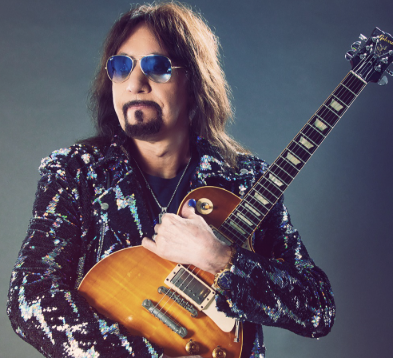
17 Oct A sad note from space…

Ace Frehley’s Final Chord — and the Legacy of the Spaceman
Ace Frehley, original lead guitarist of KISS, has died at age 74. (AP News) He passed away peacefully in Morristown, New Jersey, following complications from a fall that led to a brain injury. His family said he was surrounded by love, and the magnitude of his passing “is of epic proportions, and beyond comprehension.” (Pitchfork)
In mourning him, we remember more than riffs. We remember an era, a cultural icon, and the alchemy of music + theater that changed rock forever.
KISS: More Than a Band — A Cultural Phenomenon
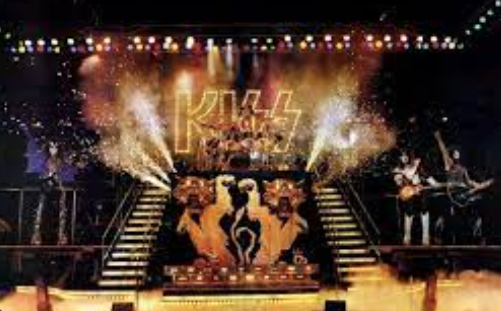
KISS didn’t simply play rock. They redefined the sensory contract of rock. From the mid-1970s onward, KISS was spectacle, identity, and rebellion wrapped in leather, makeup, and fire.
-
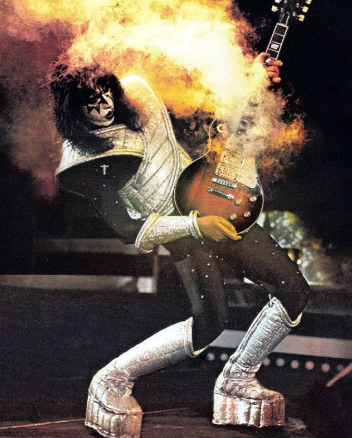
Their shows featured fire-breathing, blood-spitting, rocket-launching guitars, levitating drum kits, smoke, and dramatic visuals.
-
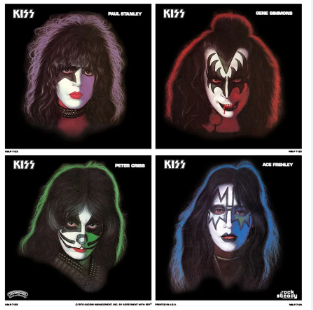
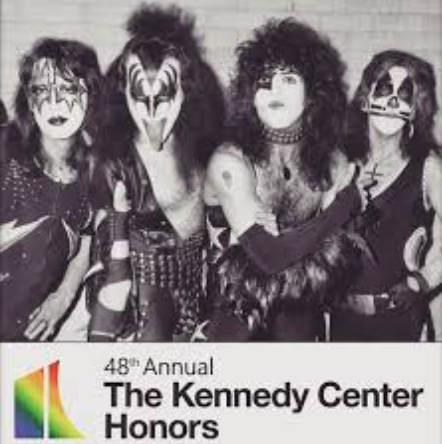
The four original members adopted comic-book personas: the Starchild (Paul Stanley), the Demon (Gene Simmons), the Catman (Peter Criss), and the Spaceman / Space Ace (Ace Frehley).
-
KISS broke the mold of conventional radio and MT
-
V pathways. Early on, mainstream media often dismissed them as gimmick. That marginalization only fuelled their mythic status among fans.
-
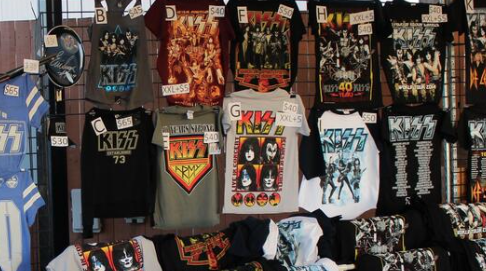
Their business model was radical: merchandise, branding, exclusivity, stagecraft. They treated the concert as theater and their audience as participants in a shared myth.
When you see someone wearing KISS makeup, a logo tee, or attending a KISS tribute show, what you’re seeing is not nostalgia. You’re seeing lineage — a reminder that rock was once meant to feel like ritual and rebellion, not just playlist fodder.


Ace Frehley: The Spaceman’s Imprint

Guitar Style & Signature Contributions
-
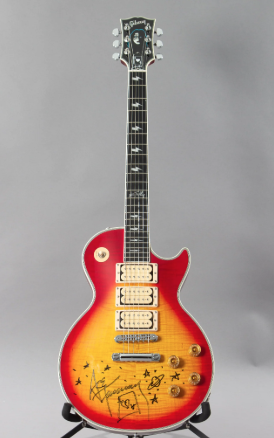
Frehley’s guitar work had a cosmic edge — atmospheric, melodic, with smoking solos. He experimented with special effect guitars (smoke, lighting) that became part of
-
the show itself.
-
His lead vocal debut “Shock Me” (from Love Gun) was inspired by a near-electrocution incident on stage. It became a signature song and was highly regarded: #50 on Guitar World’s “100 Greatest Guitar Solos.”
-
He contributed to key KISS albums — KISS (1974), Destroyer, Alive! — shaping the twin-guitar rock template and adding spacey harmonic textures.
-
In 1978, every member of KISS released a solo album; Frehley’s was the most successful, with “New York Groove” becoming a hit.

Legacy & Influence
-
Many guitarists cite Frehley as the spark that made them want to pick up the instrument. The Guardian argues: “Without Ace Frehley, KISS could not have achieved their extraordinary greatness.”
-
His style influenced hard rock, glam, and metal players: from Poison to Metallica, you can hear echoes of his phrasing, tone, and daring solo choices.
-
He balanced virtuosity with accessibility. His solos weren’t displays of speed for its own sake; they were emotional, defined by character and space.
A Personal Note
I, like millions of others, was profoundly shaped by KISS. My very first concert was at the New Haven Coliseum in 1978, a night etched in memory. I can still feel the roar of the crowd, the heat of the pyrotechnics, and the sheer audacity of the spectacle.
KISS was more than a show — it was empowerment. Their blend of hard rock, unapologetic self-belief, and graphic brilliance (from that indelible logo to the KISS Army) imprinted on me a sense of possibility. That experience — loud, defiant, empowering — set me on the path to what I do to this day.
They showed us that creativity isn’t just about music or visuals — it’s about building worlds, identities, and movements. For a kid in the late ’70s, there was nothing more intoxicating than that.
Why KISS Still Matters
-
They democratized rock theater. Before large stadium spectacles were common, KISS showed that rock could be immersive theater.
-
They owned their brand. Their logo, merchandise, image rights became part of their revenue — not side hustles.
-
They made rock a tribe. The KISS Army was not marketing fluff — it was tribal. Fans weren’t just consumers; they were participants in a mythic narrative.
-
They normalized defiance. By being too loud, too garish, too visual, they provoked gatekeepers. They did not wait for validation — they forced the world to respond.
-
They merged art & identity. Each band member’s makeup and persona allowed fans to project myth, adopt identity, become spectacle. That’s part of why the band endures as iconography.
M2 Take
Ace Frehley’s passing marks not just a personal loss, but a farewell to a central architect of rock’s mythic age. His legacy reminds us that music is never just sound — it’s persona, ritual, rebellion, and identity.
KISS’s audacity was never about fitting in. They were bigger, louder, and more unapologetic than their critics could handle. Ace’s solos were more than riffs — they were declarations.
In today’s algorithm-driven culture, we could use a little more of that fire, that belief in spectacle, that refusal to compromise. KISS didn’t just play music — they gave us a mythology. And for those of us who were there, it was life-changing. Sad you are gone Ace. But glad you were here.