


30 Sep The Aesthetic Mind Behind Apple’s Design Legacy
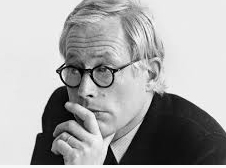
As I am sitting here drinking my coffee looking around my office at things that are beautiful, I see my old original Apple Macintosh while typing this out on my MacBook Pro. Most point to Apple when they think “good design.” But long before there was an iPhone, there was a man at Braun named Dieter Rams working out what good actually means. So I thought I would take a moment and write a post abouta man that has influenced generations.
Why Rams Matters More Than You Think
In the late 1950s, Braun’s studio felt like a laboratory of omission. Rams championed trimming, removing, refining until only what was essential remained. That austere clarity wasn’t about being simple for effect. It was rooted in a conviction: that any feature or detail without purpose undermines the whole.
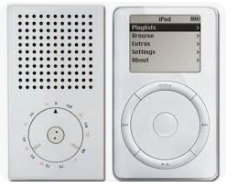
Objects like the SK4 record player or the T3 radio weren’t made to wow. They were made to serve — every line, every curve, every control weighed against usability, not decoration.
When Apple Picked Up the Thread
They say that imitation is the purest form of flattery. Fast-forward a few decades, and Apple wasn’t reinventing that ethos. It was translating it. Jony Ive didn’t hide his fascination with Rams’ work — he embraced it. The influence shows up in how Apple products look, but more deeply in how they decide what not to include.
The T3 and original iPod share a logic of absence. The SK line and early iMac share a sense of geometry and precision. The iPhone interface and Braun control panels share restraint — only showing what needs to show. It’s a continuity of mindset, not a visual echo.



Design Discipline as Innovation
Rams always saw design as a craft of subtraction. He removed clutter, decoration, and redundancy. In his world, simplicity wasn’t lack — it was clarity.
Apple scaled that discipline. Design became part of product strategy — what you omit is as important as what you add. Successful tech companies often confuse aesthetic minimalism for innovation. Rams taught that innovation resides in the logic behind omission.
What Rams Says About Apple’s Echo
Over the years, Rams has spoken about Apple’s reflections of his principles with both acceptance and caution. He recognizes that Apple “understands” what clarity and reduction mean — but also knows how easily they can be neglected in the rush of progress.
He doesn’t assert ownership. He doesn’t protest. He sees the details and keeps watch. When the speed of change outpaces the depth of discipline, the risk is losing meaning.
His Influence Now
Designers and brands — far beyond Apple — still carry Rams’ quiet insistence. His fingerprints are in how interfaces reveal themselves slowly, how packaging sheds instruction, how products resist visual flair in favor of utility.
The relevance isn’t archived; it’s active. Brands that use design as a veneer miss the deeper structure Rams built. The ones that listen to it create something more lasting.
m2 Take
Rams gave us more than a visual vocabulary — he gave a moral framework for deciding what deserves to exist. Apple became the loudest echo, but the language he developed is the real inheritance. In a world drowning in features, the brands that lead are those courageous enough to subtract. The ones that treat clarity as conviction, not as option.